

SKIN LESION REMOVAL
Advanced Electrolysis is a highly effective medical technique used to remove a range of common benign skin lesions, including skin tags, cherry angiomas, dermatosis papulosa nigra (DPN), milia and seborrheic keratoses.

Safe, precise removal of benign skin lesions with minimal downtime.
A fine probe and controlled current are used to gently cauterise or dry out the targeted lesion, allowing the skin to heal naturally with minimal disruption to surrounding tissue.
At Dr Kas Clinics, all procedures are performed by medically trained professionals to ensure safe, hygienic and comfortable removal with excellent aesthetic outcomes.

Time: 15–45 minutes

Healing time: 7–14 days

Small scabs or crusting may appear and will naturally shed as skin repairs
When Should I See a Doctor?
You should seek medical assessment for any skin lesion that:
- Changes in size, shape or colour
- Bleeds, crusts, becomes painful or repeatedly irritates
- Grows rapidly or looks different from your other lesions (“ugly duckling sign”)
- Has an irregular border or multiple colours
- Appears after an injury and continues to grow
- Is located in an area where it catches on clothing or causes discomfort
- You are unsure about or concerned could be abnormal
At Dr Kas Clinics, all lesions are carefully assessed before treatment to confirm that they are benign and suitable for cosmetic removal. If a lesion requires dermatological or GP referral, we will guide you appropriately.

Benefits
- Safely removes unwanted benign skin lesions
- Quick, precise and minimally invasive
- Little to no downtime
- Helps restore smoother, clearer skin
- Suitable for most skin types and tones
- Long-lasting results with minimal recurrence
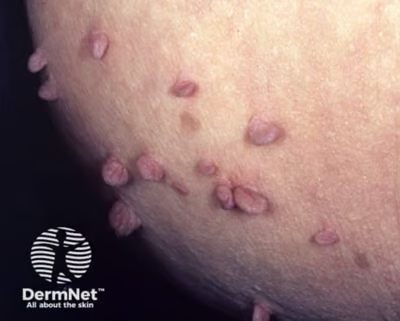
Skin Tags
Soft, harmless growths commonly found on the neck, underarms or body folds. They are benign and painless but can be removed if irritated or for cosmetic reasons.
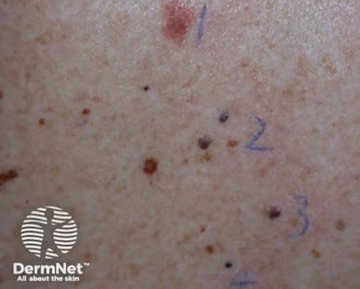
Moles (Benign Naevi)
Common skin growths that vary in colour and size. Most are harmless, but removal may be recommended for cosmetic reasons or if a mole changes in appearance (requiring GP/dermatology review).
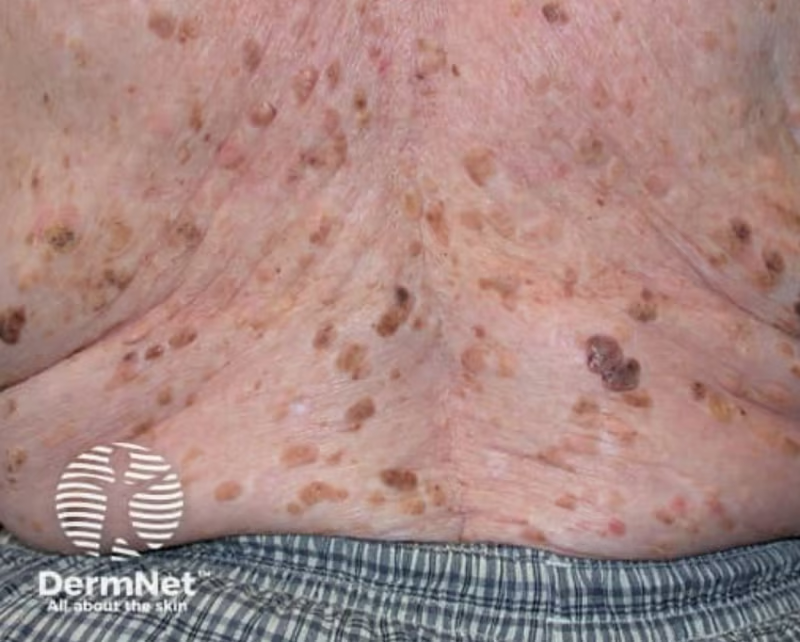
Seborrheic Keratoses
Waxy, raised, wart-like growths that commonly appear with age. They are benign, non-cancerous and can be removed for comfort or cosmetic preference.
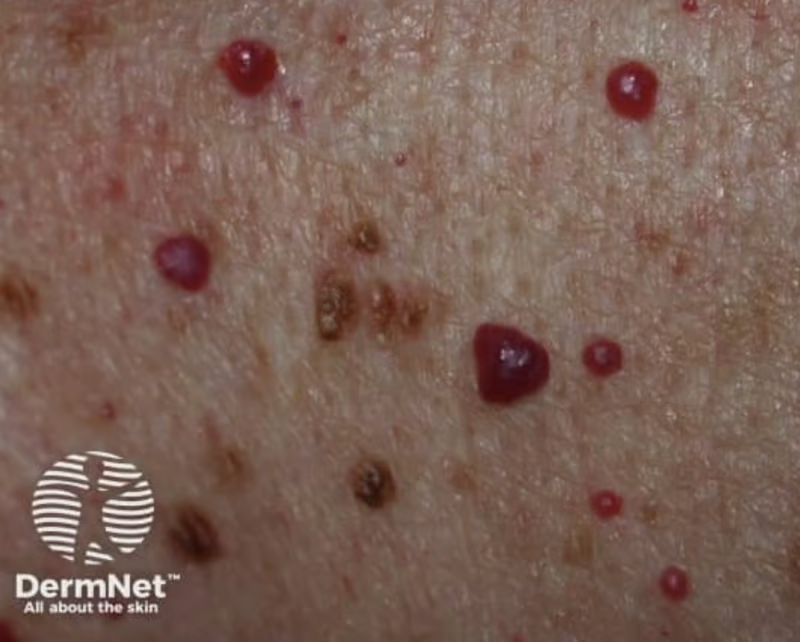
Cherry Angiomas
Bright red vascular bumps caused by small clusters of blood vessels. They are completely benign and easily removed using advanced electrolysis.
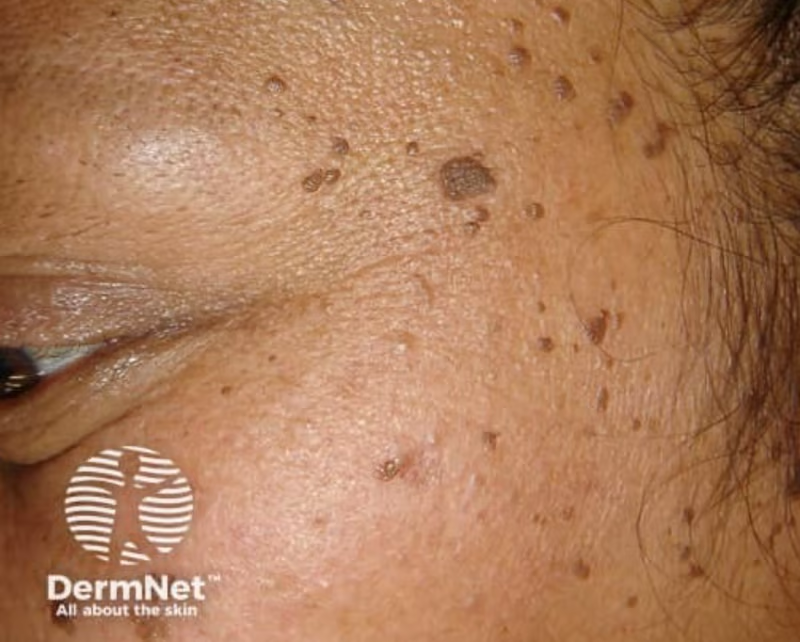
Dermatosis Papulosa Nigra (DPN)
Small, dark raised bumps commonly seen on darker skin types. These are harmless but may be removed for cosmetic reasons.
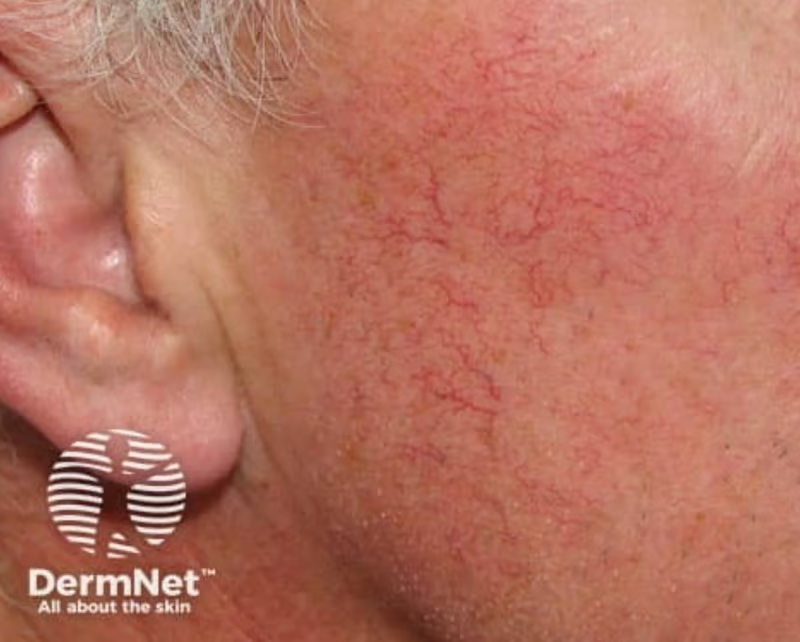
Dilated Vessels (Telangiectasia)
Small visible blood vessels that appear on the face. Removal reduces redness and improves skin clarity.
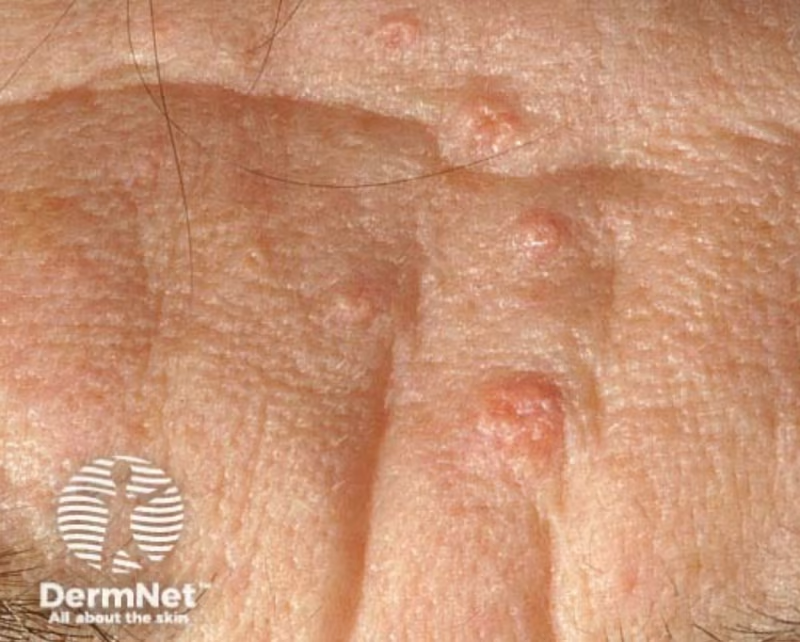
Sebaceous Hyperplasia
Small yellowish bumps caused by overactive sebaceous glands. These benign lesions can be treated for smoother, clearer skin.
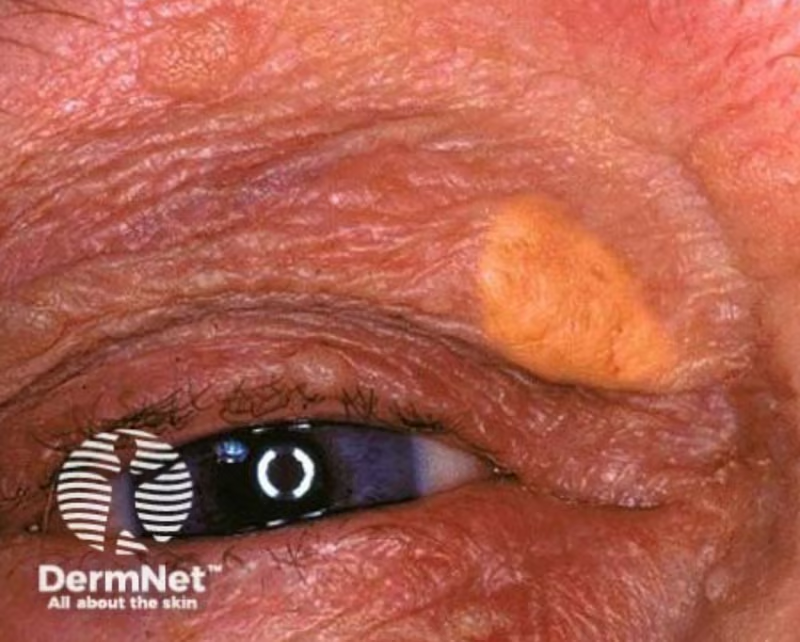
Xanthelasma
Yellow cholesterol deposits around the eyes. While benign, they can be treated if cosmetically concerning.
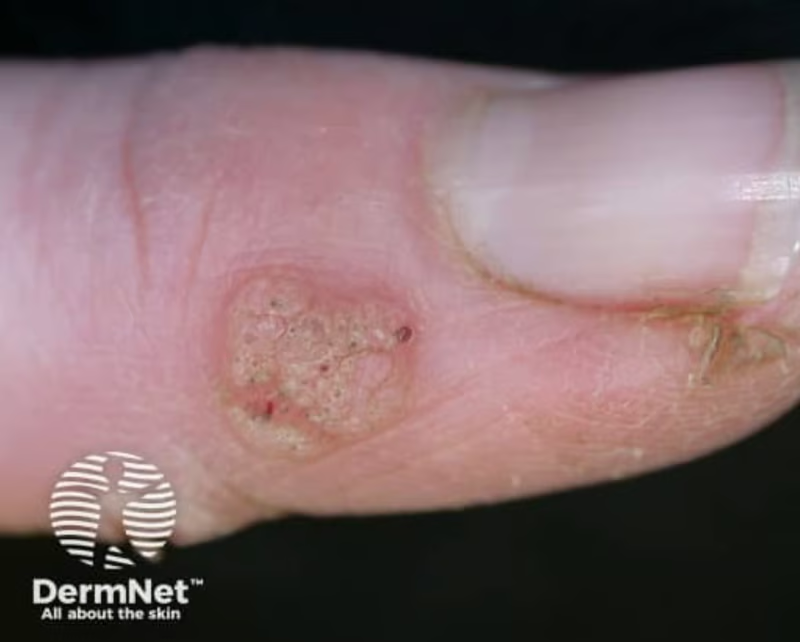
Warts
Small growths caused by HPV. They may be uncomfortable or contagious and can be removed safely if appropriate.
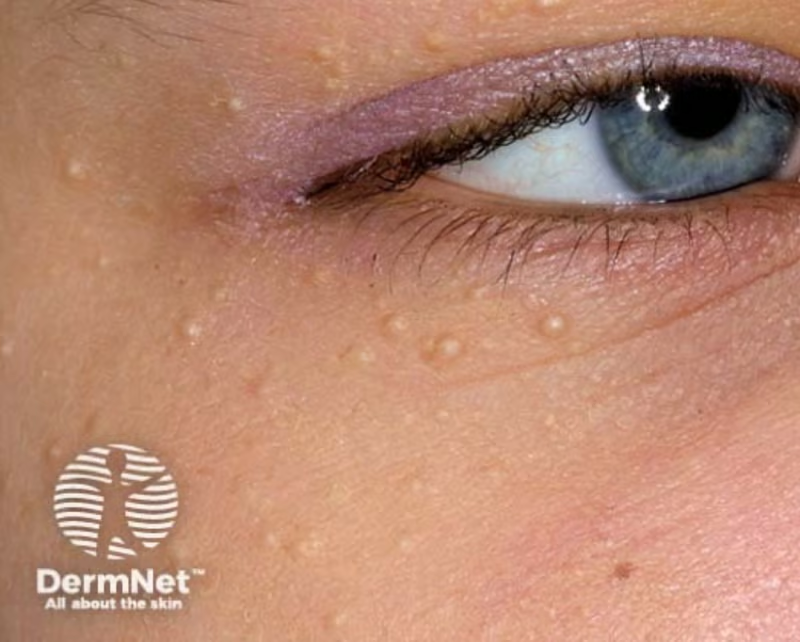
Milia
Small white bumps caused by trapped keratin beneath the skin. Common around the eyes or cheeks and easily treated.
Pre & Post-treatment Advice
Suitability
Suitable for patients with benign skin lesions such as:
- Skin tags (fibroepithelial polyps)
- Cherry angiomas (red vascular spots)
- Dermatosis papulosa nigra (DPNs)
- Milia
- Seborrheic keratoses
- Superficial spider veins
Not suitable for:
- Pregnant or breastfeeding individuals
- Areas with active infection or inflammation
- Suspicious lesions requiring GP or dermatologist review first
- Patients with certain medical conditions (assessed in consultation)

Pre-treatment
- Avoid sun exposure, tanning and active skincare (retinol, acids) for 3 days
- Do not use self-tanning products before treatment
- Ensure the area is clean and free of makeup or lotions

Post-treatment
- Redness or slight swelling is normal for 7–14 days
- Avoid touching, picking or scratching the area
- Keep the area clean and dry for the first 24 hours
- Avoid heat treatments (saunas, steam rooms, hot baths) for 48 hours
- Avoid strenuous exercise for 48 hours
- Avoid applying makeup until fully healed
- Apply SPF daily and protect the area from direct sun exposure


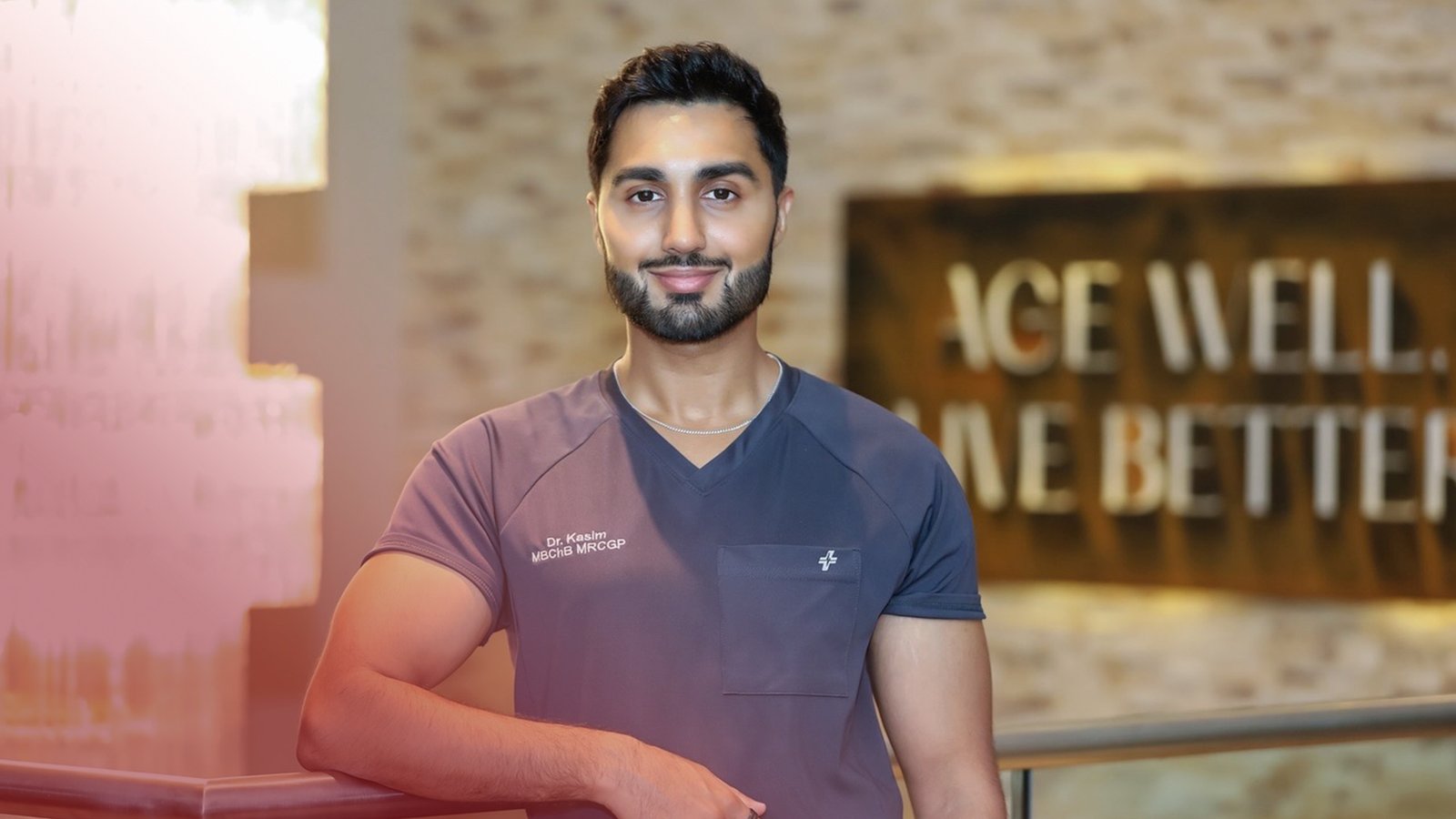
Meet Dr Kas
A practising GP and Level 7-trained aesthetic doctor, Dr Kas brings over twelve years of medical experience, from general medicine and dermatology to emergency care and paediatrics.